
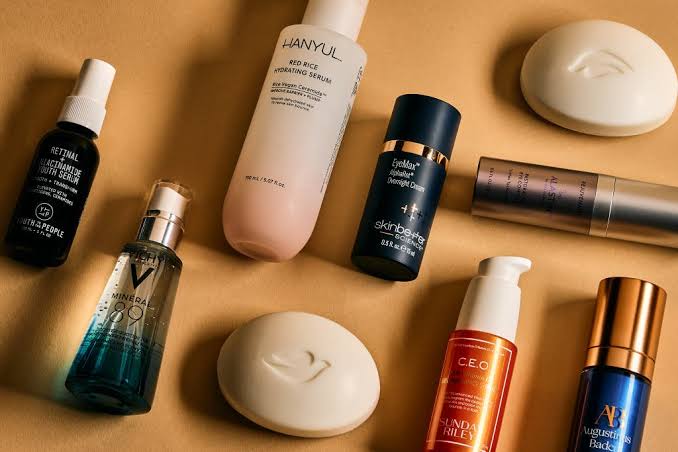

A client sat in my chair last month holding a bag of products she had bought over the past year. Eleven items. Most were good. Almost none worked together. She had been buying the idea of professional skincare without the logic that makes it professional.
This happens constantly. People hear “clinical” or “results-driven” and assume the magic is in the bottle. It is not. The magic is in the sequencing, the concentration, and knowing when to push the skin and when to leave it alone. That is the part the treatment room teaches. And it is the part you can actually bring home if you understand what you are doing.
What does “professional-grade” even mean?
The phrase gets thrown around loosely. Let me be specific.
Professional-grade lines are formulated at higher active concentrations and built to be used in a system, not as standalone heroes. They assume someone knows how to read skin. Brands like Biologique Recherche, SkinCeuticals, and Dermalogica sit in this category because estheticians and dermatologists actually reach for them during treatments, not just on a retail shelf.
Mass-market skincare is built to be safe for everyone. That is a feature, not a flaw. But “safe for everyone” also means “optimised for no one.” Professional formulas trade that universality for potency, which is exactly why they need guidance.
Higher strength cuts both ways. More result, more room to get it wrong.
Which parts of a facial can you replicate at home?
More than people think, and less than brands would like you to believe.
You can absolutely replicate consistency. A facial happens once a month. Your home routine happens twice a day, sixty times before you see me again. That frequency is where most of your results actually come from. Cleansing properly, using the right serum, protecting the barrier, wearing sunscreen. Unglamorous, and decisive.
You can replicate targeted treatment, too, if you have the right tools. This is where sourcing matters. A curated shop such as Living Beauty stocks the same professional lines estheticians use, with staff who can match a formula to your skin rather than selling you the one with the prettiest box. That guidance is the difference between owning professional products and using them well.
What you cannot replicate is the stuff that needs trained hands. Deep extractions. Certain acid peels at treatment strength. Microneedling. Lymphatic massage done properly. Those belong in a room with a professional, full stop. Anyone telling you to do a strong peel alone at home is selling confidence you should not buy.
Why does sequencing matter so much?
Because actives interact. Layer the wrong two and you either cancel the benefit or wreck your barrier.
A rough rule I give clients: thinnest to thickest, water-based before oil-based, treatment before protection. Vitamin C in the morning, paired with sunscreen. Retinoids at night, buffered if your skin is reactive. Exfoliating acids spaced out, never piled on top of a retinoid the same evening unless someone who knows your skin told you to.
The Skin Instant concept that Biologique Recherche built its method around captures something true. Your skin is not a fixed type. It shifts with season, stress, sleep, and hormones. The routine that suited you in July may be too aggressive in January, when the air is dry and the barrier is already working hard.
Professional skincare assumes you will adjust. That is the mindset shift.
How do you build a routine without wasting money?
Start smaller than you want to. I mean it.
Most people fail by buying the full range at once. They introduce eight new actives in a week, their skin revolts, and they cannot tell which product caused it. Then they quit the one thing that was actually helping.
Build in layers. A cleanser that respects your barrier. One treatment serum aimed at your primary concern. A moisturiser that matches your skin’s current state. Daily sunscreen. That is a complete, effective routine. Add a second active only once the first has earned its place, and only after two or three weeks of watching how your skin responds.
Keep notes if you are serious. A line in your phone about what you used and how your skin looked the next morning will teach you more than any review ever will.
What about all the gadgets?
Clients ask me this weekly. LED masks, microcurrent wands, gua sha, the whole drawer of devices.
My honest take: most are fine, few are essential, and none fix a bad routine. An LED mask can genuinely support the skin with consistent use. A microcurrent device can give a temporary lift. Gua sha feels lovely and helps circulation. But I have watched people spend hundreds on a gadget while cleansing with something that strips their barrier. That is backwards.
Sort out the basics first. Cleanser, treatment, moisturiser, sunscreen. Once those are dialled in and consistent, a device becomes a nice amplifier. Before that, it is an expensive distraction from the work that actually moves the needle.
How do you know if it’s actually working?
Give it time, and watch the right signals.
Skin cell turnover runs on a roughly month-long cycle, which means most actives need four to twelve weeks to show their real effect. People quit at two weeks and miss the payoff. That is the single most common mistake I see.
Track the honest markers. Is your skin calmer? Is it holding hydration? Is texture smoothing, are breakouts settling, is tone more even? Those beat the mirror-at-midnight panic, which tells you more about your lighting and your mood than your skin. If something stings, burns, or breaks you out consistently past the first short adjustment period, stop and reassess. Discomfort is information, not a sign the product is working harder.
The trend is real, but the discipline is the point
Demand for clinical, high-concentration skincare has climbed fast, and it is not slowing. People want the results they see in a treatment room and they are willing to invest to get closer to them at home. That instinct is correct. Professional formulas genuinely outperform when used properly.
But the trend has a shadow. Shelves full of potent products bought without a plan. Barriers compromised by too much, too soon. The at-home revolution only pays off for people who treat these formulas with the respect their strength demands.
So here is the honest version. Professional-grade skincare at home works. It works when you source the real thing from somewhere that can guide you, when you sequence it correctly, when you adjust as your skin changes, and when you leave the genuinely clinical procedures to the professionals. Get those four things right and your home routine stops being a pile of hopeful purchases. It becomes an extension of the treatment room, which is exactly what it was always meant to be.
The bottle was never the hard part. The thinking is.
